Custom
Compounds
Engineered rubber compounds developed in our R&D laboratory — from natural rubber to advanced fluoroelastomers. 2,000+ proven formulations across four decades of compounding expertise.
Chemistry that becomes performance
Jasmino's compounding laboratory develops custom rubber formulations engineered to specific performance requirements — chemical resistance, temperature range, abrasion resistance, hardness, and compression set.
Our library of 2,000+ proven formulations spans the full elastomer spectrum: natural rubber, butyl, EPDM, neoprene, nitrile, CSM (Hypalon), silicone, and fluoroelastomers (FKM/Viton).
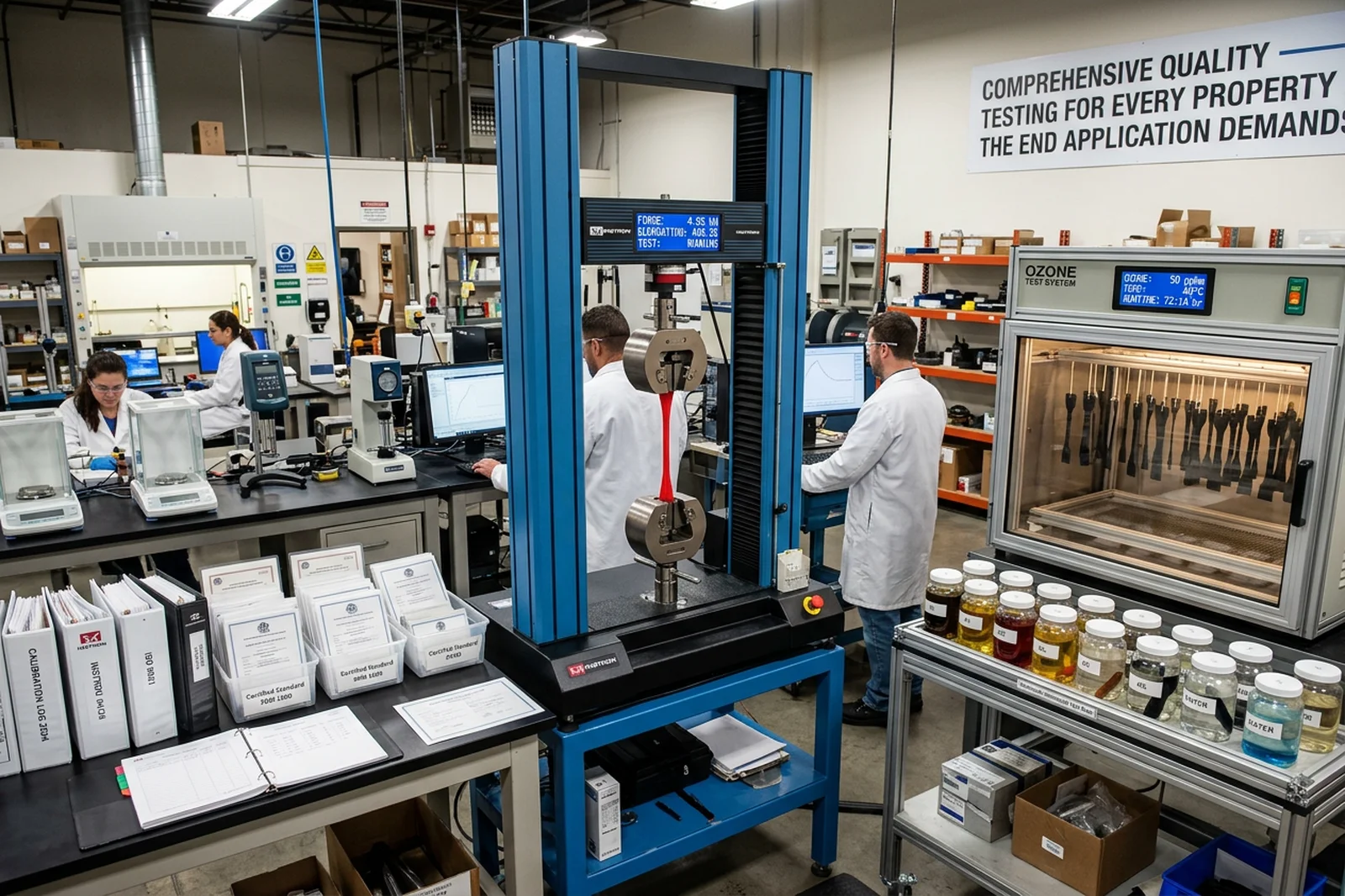
Every compound is tested in our in-house laboratory before production — tensile, elongation, hardness, ageing, and chemical immersion testing to verify performance against your specific service conditions.
We don't sell off-the-shelf compounds. We develop formulations for your specific chemical, temperature, and mechanical requirements.
Application-Specific Compounding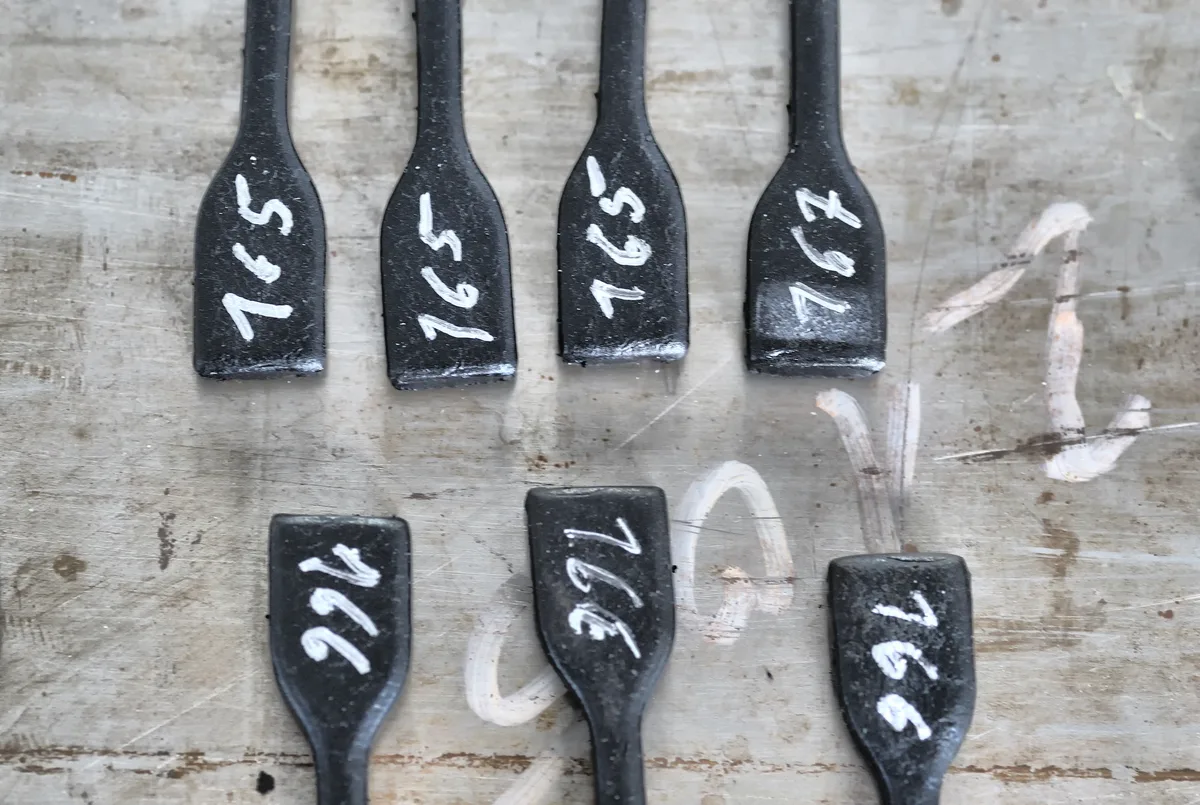
The full spectrum of rubber chemistry
Each elastomer family offers distinct advantages for specific environments.
Natural Rubber
Highest abrasion resistance and resilience. Ideal for mining, mineral processing, and mechanical applications.
Butyl & Chlorobutyl
Outstanding resistance to mineral acids and gas permeation. The primary elastomer for chemical lining applications.
EPDM
Excellent ozone, weathering, and steam resistance. Used for outdoor exposure, hot water, and polar chemical service.
Fluoroelastomers
Near-universal chemical resistance at temperatures up to 250°C. For the most demanding sealing and protection applications.
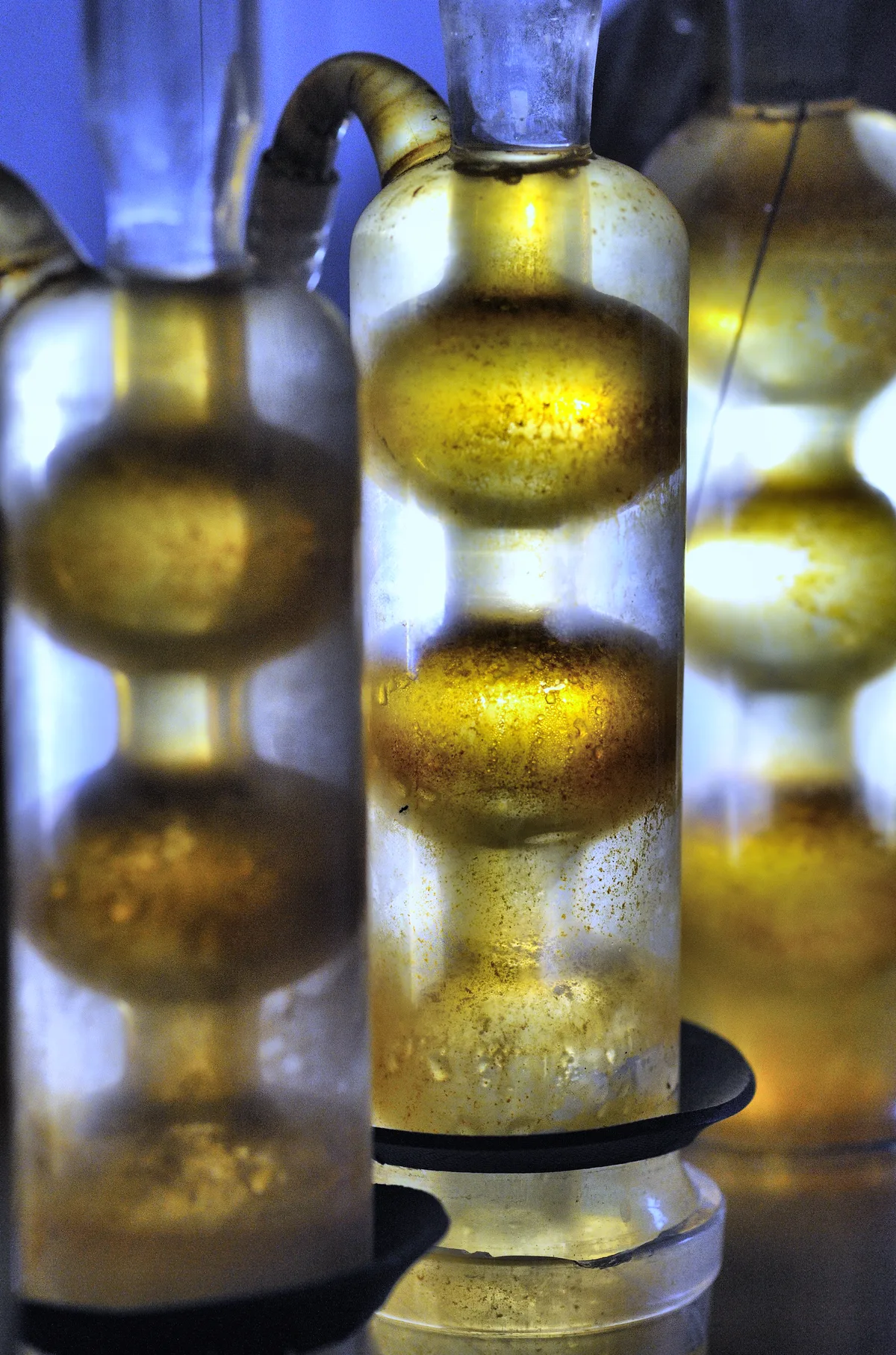
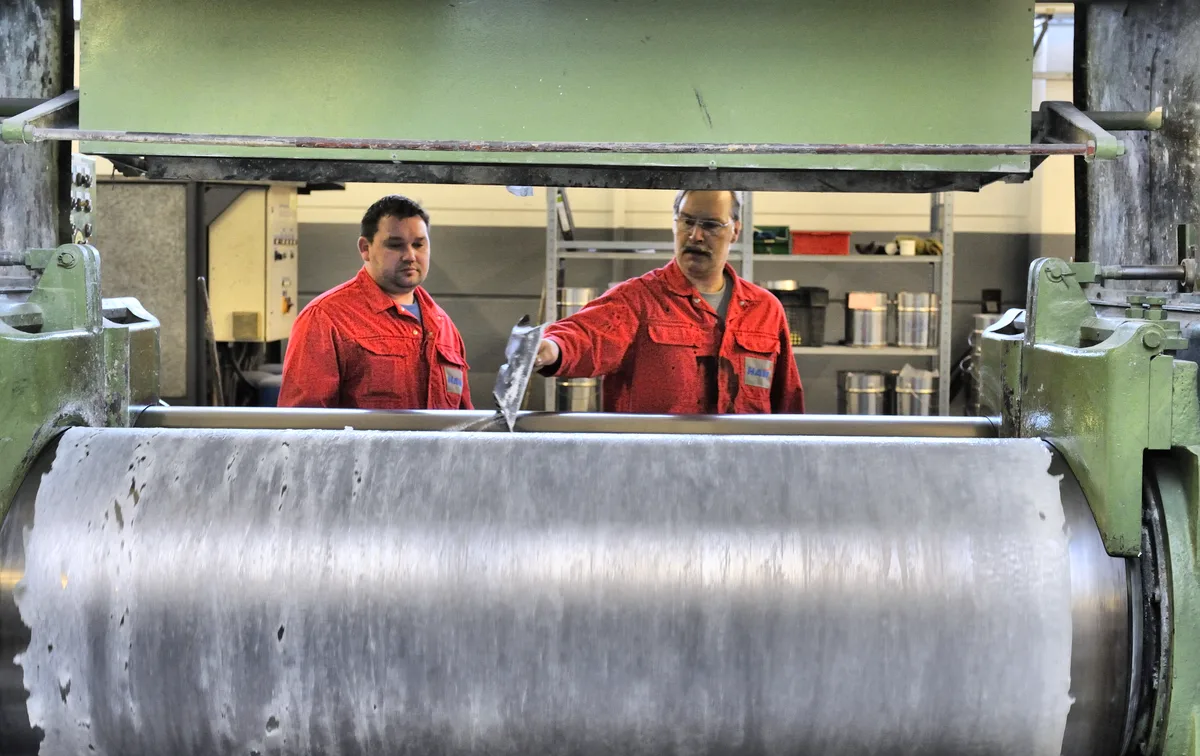
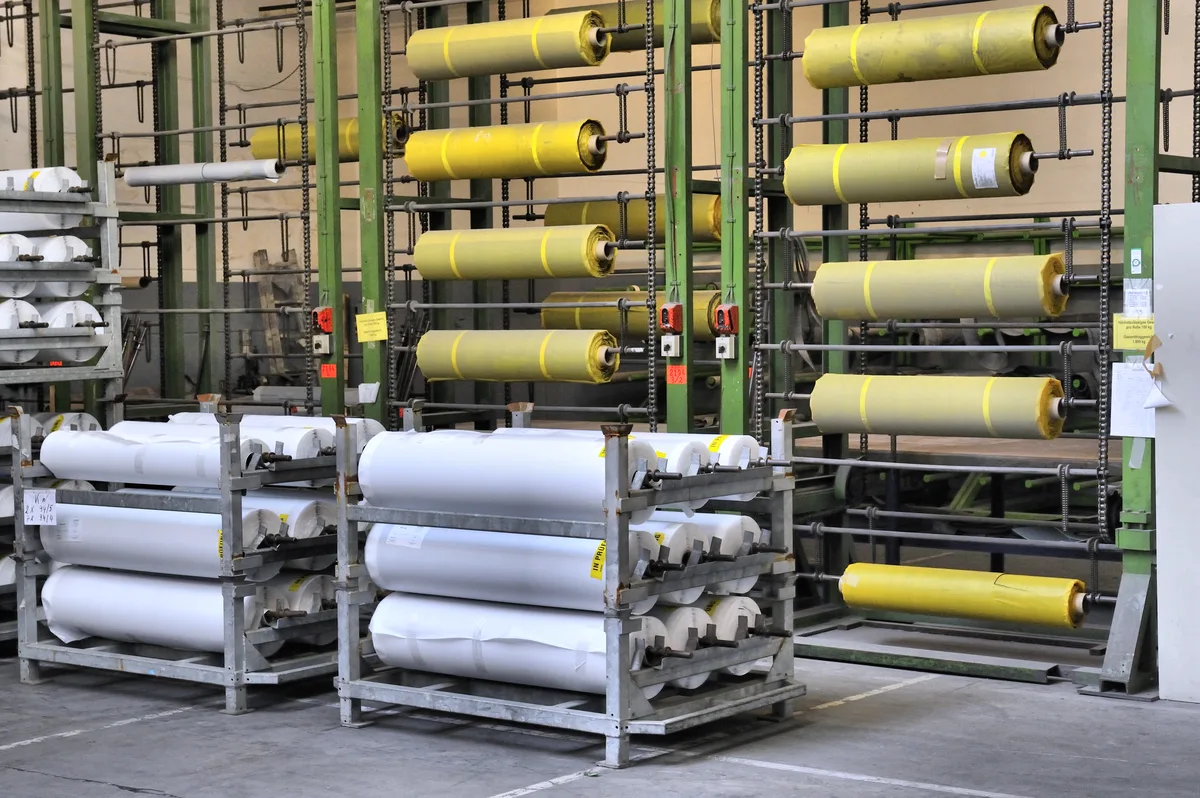
From requirement to proven compound
Structured compound development with laboratory validation.
Resistance by elastomer type
Chemical and physical property comparison across elastomer families.
| Property | NR | Butyl | EPDM | Neoprene | Nitrile | FKM |
|---|---|---|---|---|---|---|
| Mineral Acids | ||||||
| Oxidising Acids | ||||||
| Alkalis | ||||||
| Abrasion | ||||||
| Temperature | ||||||
| Ozone/Weather |
Custom Butyl Compound —
FGD Service
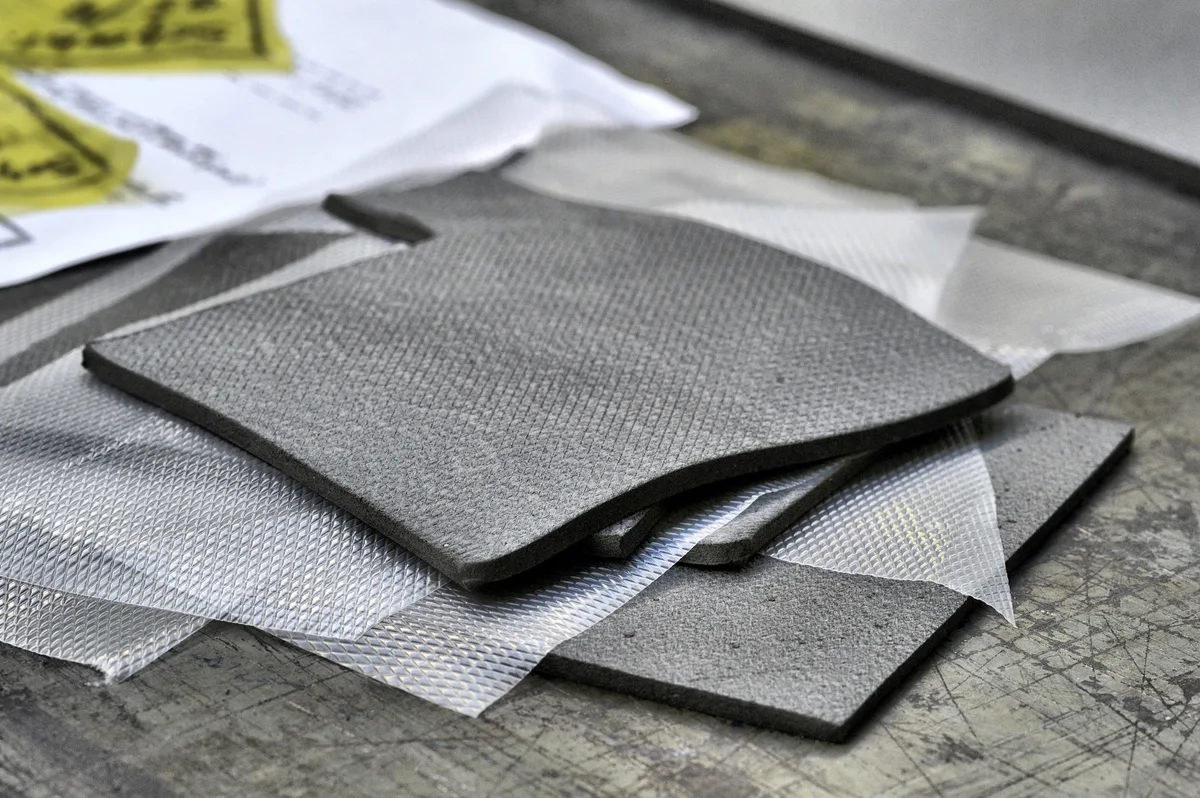
Application-specific butyl compound developed for FGD absorber lining. 1,000-hour immersion test in simulated flue gas condensate. 15-year field performance validated.